What Is Included in a Professional Commercial Roof Installation?
A professional commercial roof installation involves more than placing new materials on your building. Each step helps ensure your roof drains properly, resists leaks, and provides reliable protection for years.
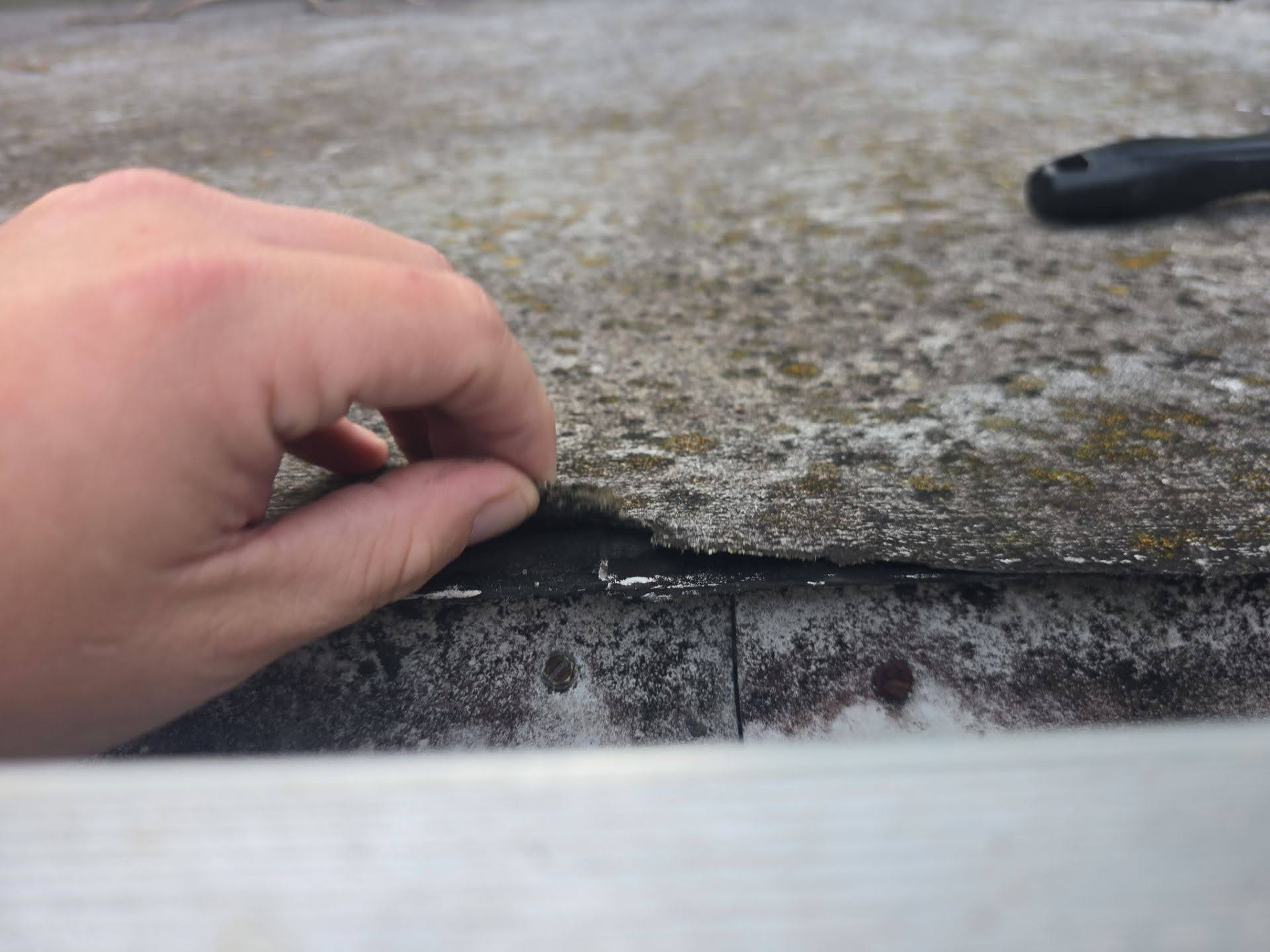
Step 1: Roof Inspection and Evaluation
Your contractor checks the roof’s condition, drainage, insulation, and structural concerns to identify problems that need attention before installation.
Step 2: Material Selection and Project Planning
We’ll help you compare roofing options, such as TPO, EPDM, and metal, based on your building’s design, budget, and long-term needs.
Step 3: Roof Preparation
The crew removes old roofing materials when necessary, repairs damaged surfaces, and prepares a clean, stable base for the new system.
Step 4: Roofing System Installation
Roofers install the required insulation, roofing materials, flashing, and other components according to the manufacturer’s instructions and project specifications.
Step 5: Final Inspection and Cleanup
Your contractor checks seams, flashing, drainage, and other important areas before removing debris and completing the final walkthrough.
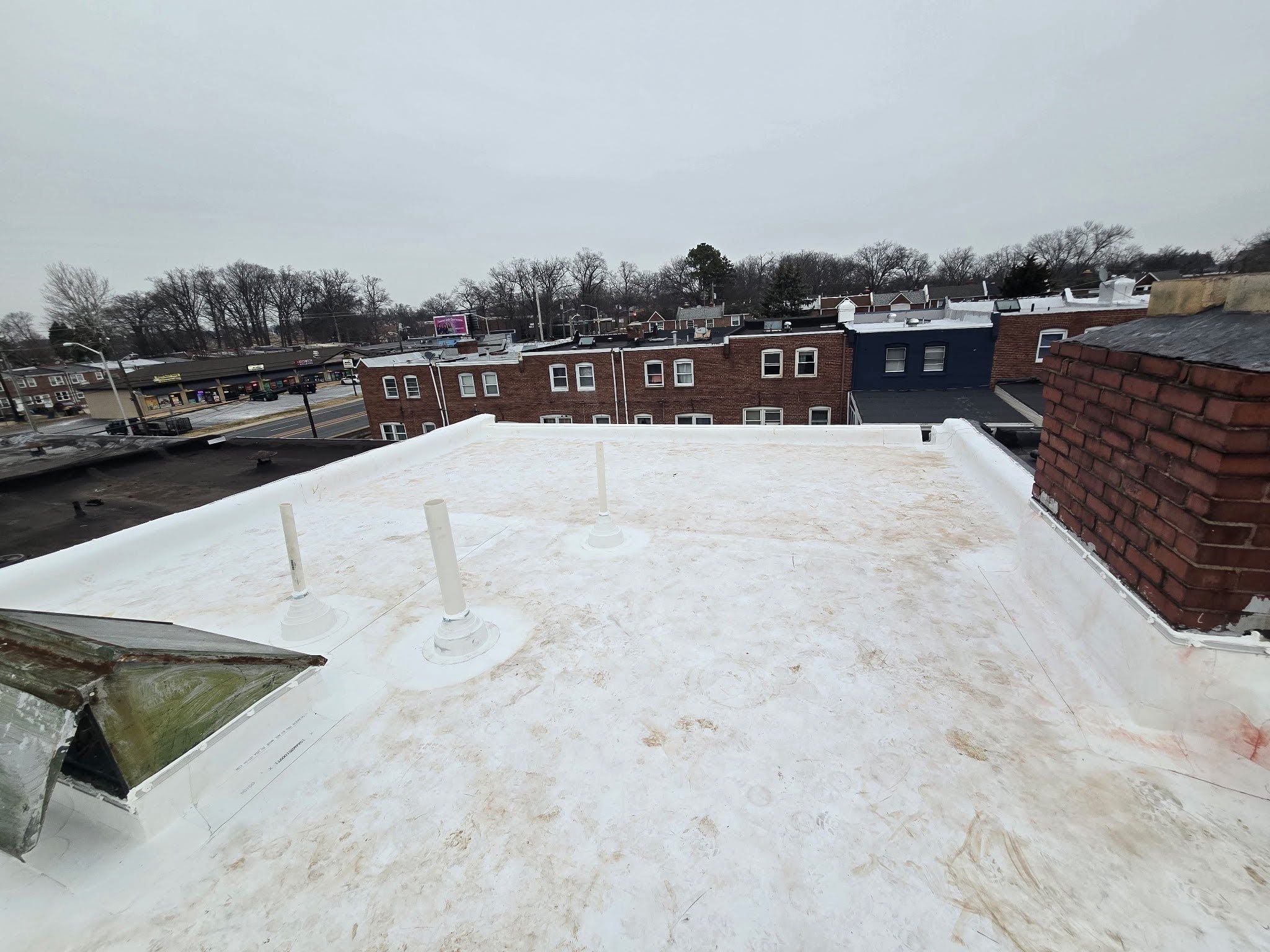
For example, a retail building in Dover with a flat roof may need new insulation and improved drainage before installing a TPO membrane. Addressing these concerns during installation helps prevent standing water and future leaks.
How Long Does a New Commercial Roof Installation Usually Take?
A commercial roof installation may take a few days for a smaller building or several weeks for a larger, more complex property. Your contractor should provide an estimated schedule after inspecting the roof and reviewing the work involved.
Several factors can affect the timeline:
1. Roof Size and Building Design
Larger roofs, multiple roof levels, and equipment such as HVAC units require additional time for installation and careful sealing.
2. Existing Roof Conditions
Removing several layers of roofing or repairing damaged decking can add extra work before the new system goes on.
3. Delaware Weather Conditions
Rain, strong winds, and unsuitable temperatures can delay installation because certain roofing materials require specific conditions for proper application.
For business owners, scheduling matters just as much as installation time. A good contractor will explain when crews will arrive, which areas need restricted access, and how the work could affect daily operations.
If your property stays open during construction, ask whether noisy work or material deliveries can happen during slower business hours. Planning ahead can help reduce inconvenience for employees and customers.
How Much Does It Cost to Install a Commercial Roof?
Commercial roof installation often costs approximately $5 to $15 or more per square foot, depending on the roofing system and project requirements. This is a broad estimate, not a verified quote, and complex projects can cost considerably more.
Here are the main factors that affect your total investment:
1. Roof size: Larger roofs need more materials and labor, although the cost per square foot may decrease on bigger projects.
2. Roofing material: TPO, EPDM, and metal roofing have different material prices and installation requirements.
3. Existing roof condition: Removing old materials, replacing damaged decking, or fixing hidden moisture damage increases costs.
4. Insulation and drainage: Adding insulation, improving drainage, or replacing roof drains may increase the project price.
5. Building accessibility: Taller buildings, rooftop equipment, and limited work areas can require additional labor and equipment.
When comparing estimates, look beyond the total amount. Ask whether the quote includes removal, insulation, flashing, permits, cleanup, and warranty details. A detailed written estimate helps you understand exactly what you’re paying for and reduces the risk of unexpected expenses.
How Can You Prepare Your Business for Commercial Roof Installation?
Preparing your property before installation can help the project run smoothly and reduce interruptions to your business. You don’t need to handle the roofing work yourself, but a few simple steps can make a big difference.
Here’s a practical checklist:
1. Confirm the project schedule. Ask when work begins, how long it should take, and whether certain business areas will be affected.
2. Notify employees and tenants. Let everyone know about possible noise, restricted entrances, or temporary changes to parking.
3. Clear access areas. Move vehicles, deliveries, and outdoor equipment away from designated work zones.
4. Protect sensitive items. Cover equipment or inventory that could be affected by dust or vibrations during construction.
5. Discuss safety precautions. Confirm how the contractor will secure work areas and protect people entering your property.
6. Review the final inspection plan. Ask about cleanup, warranty documents, and how any remaining concerns will be addressed.
If you manage an office, warehouse, or storefront in Delaware, communication is especially important. Work with your contractor to create a schedule that considers your operating hours and building access needs.